Why the Outdoor Mobility Economy Continues to Expand
Outdoor recreation has grown into a major consumer economy built around vehicles, equipment, travel, and access to open spaces. Spending now extends far beyond weekend campground fees. People are investing in trucks and SUVs that support longer trips, remote work, and family adventures. That shift creates business for automakers, aftermarket suppliers, service shops, and rural destinations, while giving consumers practical reasons to treat outdoor mobility as a long-term part of their budgets.
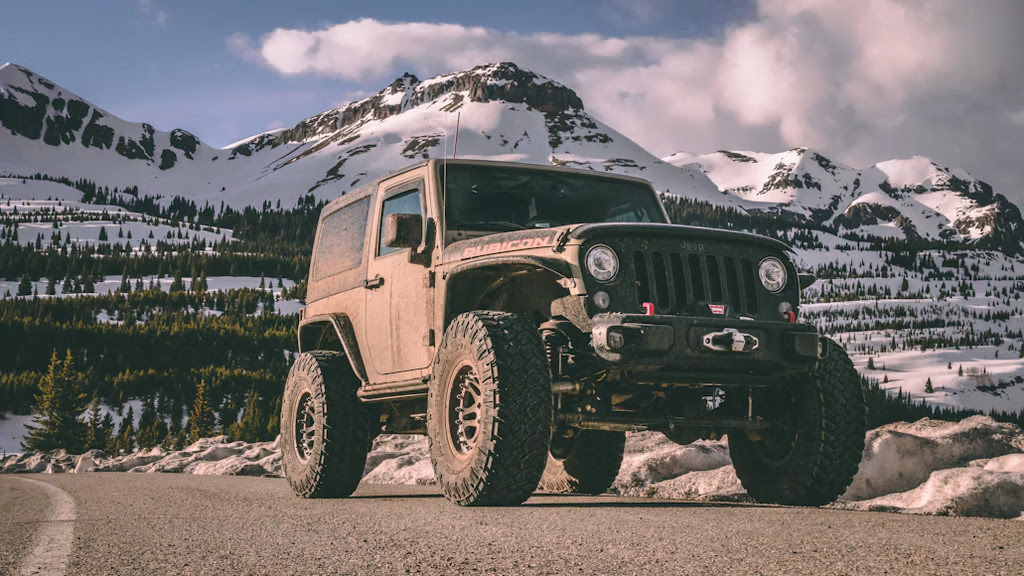
Consumer Capital Moves Off the Pavement
Outdoor spending reflects a broader change in how households value their free time. The latest outdoor recreation economic impact figures cited by the Outdoor Recreation Roundtable put the sector’s contribution to the U.S. economy at $1.2 trillion in 2023. That scale covers everything from travel and lodging to equipment and vehicle-related purchases.
For consumers, the spending case often comes down to frequency of use. A family taking eight driving trips a year may get more value from durable vehicle upgrades than from repeated rentals. Set an annual recreation budget that includes fuel, maintenance, accommodations, and equipment. Rent specialized items first, then buy only after several trips confirm that they’ll see regular use.
The Rise of Adventure-Ready Utility
Vehicle buyers increasingly want one platform to handle commuting, home projects, and unpaved access roads. Trucks and SUVs fit that preference because owners can adjust storage, tires, and exterior components as their travel habits develop.
Wheels are one visible part of that equation. Owners comparing lock off-road wheels can review multiple models and finishes for trucks or SUVs, then check fitment and load requirements with a qualified installer before buying. Those technical details matter more than appearance alone.
Plan modifications in stages. Start with maintenance and recovery basics, observe how the vehicle performs on actual trips, and address clear limitations. This sequence reduces the chance of spending heavily on equipment that adds weight or complexity without improving the way you travel.
Equipping Rigs for Demanding Backcountry
Backcountry preparation works best when every purchase solves a specific problem. For a two-night trip on maintained unpaved routes, useful priorities may include a full-size spare, tire-pressure gauge, first-aid supplies, water, weather protection, and offline maps. More remote travel can call for added communication options and organized storage.
Weight deserves close attention. Payload includes passengers, water, luggage, and installed accessories, so several modest additions can push a vehicle closer to its rated limit. Review the owner’s manual, weigh the loaded vehicle when appropriate, and keep heavy items low and secured.
Cost control matters too. Before financing accessories, compare the payment with expected use and your emergency savings. The principles in these smart money moves for renters also apply here: protect cash reserves and avoid letting optional purchases crowd out essential monthly expenses.
Resilience Across Economic Cycles
Outdoor mobility has several features that can support demand when household budgets tighten. Consumers can take shorter trips closer to home, maintain equipment they already own, and spread upgrades across several seasons. That flexibility helps the market avoid relying entirely on expensive destination travel.
Still, companies and shoppers should expect uneven conditions. Capstone Partners’ outdoor recreation market update tracks factors such as consumer demand, transaction activity, and broader sector performance. These signals can help businesses manage inventory and help buyers recognize when discounts reflect normal market cycles.
A practical upgrade plan should rank safety, reliability, and frequency of use. Set a total budget, include installation and maintenance costs, and leave room for repairs. The outdoor mobility economy will keep expanding when products deliver measurable utility on ordinary weekends, not only on ambitious trips.
The strongest purchases are the ones that still make sense after the first exciting outing. If an upgrade makes repeated trips safer, easier to organize, or more comfortable without straining the household budget, it has earned its place on the rig.