Understanding the Role of Law Firms in OKC During Everyday Legal Matters
Legal issues can arise when people least expect them. Whether someone is dealing with a family matter, a business dispute, a property transaction, or another civil issue, understanding how the legal system works can make a significant difference. While every case is unique, many individuals seek guidance from experienced legal professionals to better understand their rights, responsibilities, and available options.
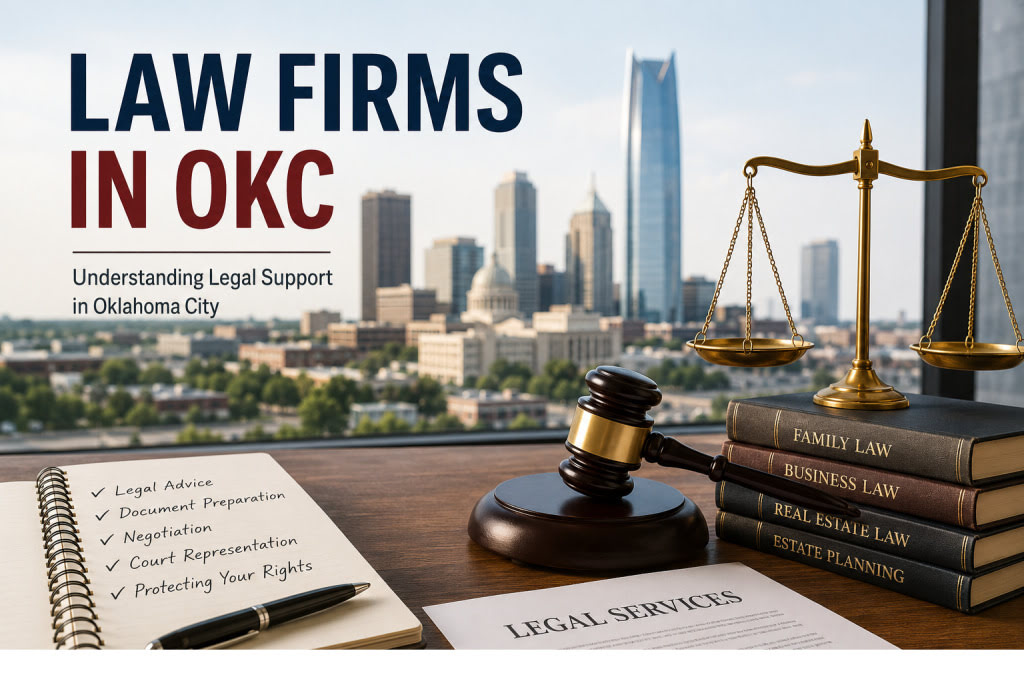
In a growing city like Oklahoma City, legal services support individuals, families, and businesses across a wide range of situations. Learning about the role of law firms in OKC helps people appreciate how legal professionals assist clients in navigating complex laws and procedures while working toward practical solutions.
For more information about law firms in OKC, you can explore additional educational resources related to legal services in the area.
Why Legal Guidance Matters
Laws exist to create order, protect rights, and resolve conflicts fairly. However, legal statutes, regulations, and court procedures can be difficult for people without legal training to interpret.
Legal professionals help clients by:
- Explaining applicable laws
- Preparing important legal documents
- Communicating with opposing parties
- Negotiating settlements
- Representing clients in court when necessary
- Helping clients understand possible legal outcomes
Their goal is often to simplify complicated legal processes while protecting the interests of those they represent.
Common Legal Matters People Face
Everyday legal issues extend far beyond criminal cases. Many people interact with the legal system during important life events.
Some common examples include:
Family-Related Issues
Families may need legal assistance when dealing with matters involving:
- Divorce
- Child custody
- Child support
- Adoption
- Guardianship
- Property division
These situations often involve emotional as well as legal considerations, making professional guidance valuable throughout the process.
Estate Planning
Preparing for the future helps reduce uncertainty for loved ones. Estate planning commonly includes:
- Drafting wills
- Creating trusts
- Naming powers of attorney
- Planning healthcare directives
- Managing estate administration
Proper documentation helps ensure personal wishes are clearly expressed.
Business Matters
Businesses of every size encounter legal questions during their operations.
Examples include:
- Business formation
- Partnership agreements
- Contract drafting
- Employment matters
- Commercial disputes
- Regulatory compliance
Addressing legal concerns early can help prevent larger problems later.
Property and Real Estate
Property transactions involve significant financial investments. Legal assistance may be needed for:
- Residential purchases
- Commercial property transactions
- Lease agreements
- Boundary disputes
- Title concerns
- Easement issues
Understanding legal obligations before signing documents can reduce future complications.
What Law Firms Do for Clients
Many people think attorneys only appear in court, but much of their work takes place outside the courtroom.
Legal professionals often assist clients by:
Explaining Legal Rights
Clients frequently begin with questions rather than lawsuits. Attorneys explain how laws apply to specific situations and discuss available legal options.
Reviewing Documents
Contracts, settlement agreements, leases, and legal notices may contain complex language. Careful review helps clients understand what they are signing.
Negotiating Solutions
Many disputes are resolved through negotiation rather than litigation. Reaching agreements outside court can save both time and expenses while reducing conflict.
Preparing Legal Filings
Court procedures require accurate documentation submitted within strict deadlines. Preparing these documents correctly is an important part of legal representation.
Representing Clients
When disputes cannot be resolved informally, legal professionals advocate for clients during hearings, mediations, arbitrations, or court proceedings.
Preparing Before Meeting a Lawyer
Being organized before an initial consultation helps make discussions more productive.
Useful items may include:
- Contracts
- Financial records
- Emails or correspondence
- Photographs
- Police reports (when applicable)
- Court notices
- Medical records (if relevant)
Creating a timeline of important events can also help clarify the circumstances surrounding a legal matter.
The Importance of Documentation
Many legal matters depend heavily on evidence rather than memory alone.
Helpful records often include:
- Written agreements
- Receipts
- Text messages
- Emails
- Bank statements
- Property records
- Insurance documents
- Witness information
Maintaining organized documentation throughout a legal matter can improve communication and support decision-making.
Communication Throughout the Legal Process
Legal cases often take weeks or months to resolve. Maintaining clear communication helps clients stay informed throughout each stage.
Important communication practices include:
- Responding promptly to requests
- Updating contact information
- Asking questions when something is unclear
- Keeping copies of important documents
- Recording important deadlines
Open communication allows legal professionals to respond effectively as new developments occur.
Understanding Alternative Dispute Resolution
Not every disagreement requires a courtroom trial.
Alternative dispute resolution methods include:
Mediation
A neutral mediator helps both parties discuss possible solutions without making decisions for them.
Arbitration
An arbitrator hears evidence from both sides and issues a decision that may be binding depending on the agreement.
These methods often provide faster and less formal alternatives to traditional litigation.
Legal Services for Businesses
Businesses regularly rely on legal guidance throughout their lifecycle.
Routine legal support may involve:
- Reviewing vendor contracts
- Protecting intellectual property
- Managing employment policies
- Addressing customer disputes
- Navigating regulatory requirements
Proactive legal planning can reduce risks and support long-term business growth.
The Value of Early Legal Action
Waiting too long to address legal concerns can create unnecessary complications. Deadlines established by law, known as statutes of limitations, may affect a person's ability to pursue or defend legal claims.
Seeking legal information early allows individuals to better understand timelines, preserve evidence, and evaluate available options before important deadlines pass.
Final Thoughts
Legal matters often involve significant personal, financial, or business decisions. Understanding how the legal process works and recognizing the many ways legal professionals assist clients can help individuals approach these situations with greater confidence.
Whether someone is handling a family issue, resolving a contract dispute, planning an estate, or managing a business concern, informed decision-making begins with understanding the legal landscape. Accessing reliable educational resources about law firms in OKC can provide helpful background information for those seeking to learn more about legal services and the legal process in Oklahoma City.