MicroStrategy Halts Bitcoin Acquisitions
In early February 2025, MicroStrategy, the largest corporate holder of Bitcoin, said it had bought no Bitcoin in the previous week and had not sold any of its Class A common stock, pausing a buying spree that had added about $20 billion of Bitcoin in roughly 12 weeks. This article, first written at the time, looks at the company's holdings, the economic backdrop of US tariffs and inflation, the debate over a US Strategic Bitcoin Reserve and the pressures on Bitcoin miners. It is general information, not investment advice.
Key facts at the time:
- Holdings: about 471,000 BTC, roughly 2.25% of Bitcoin's 21 million maximum supply.
- Total cost: about $30.4 billion.
- Recent buying: around $20 billion spent in the preceding 12 weeks.
- Executive chairman: Michael Saylor, who remained bullish on Bitcoin.
- Later: the company rebranded as Strategy in February 2025, and the pause proved temporary.
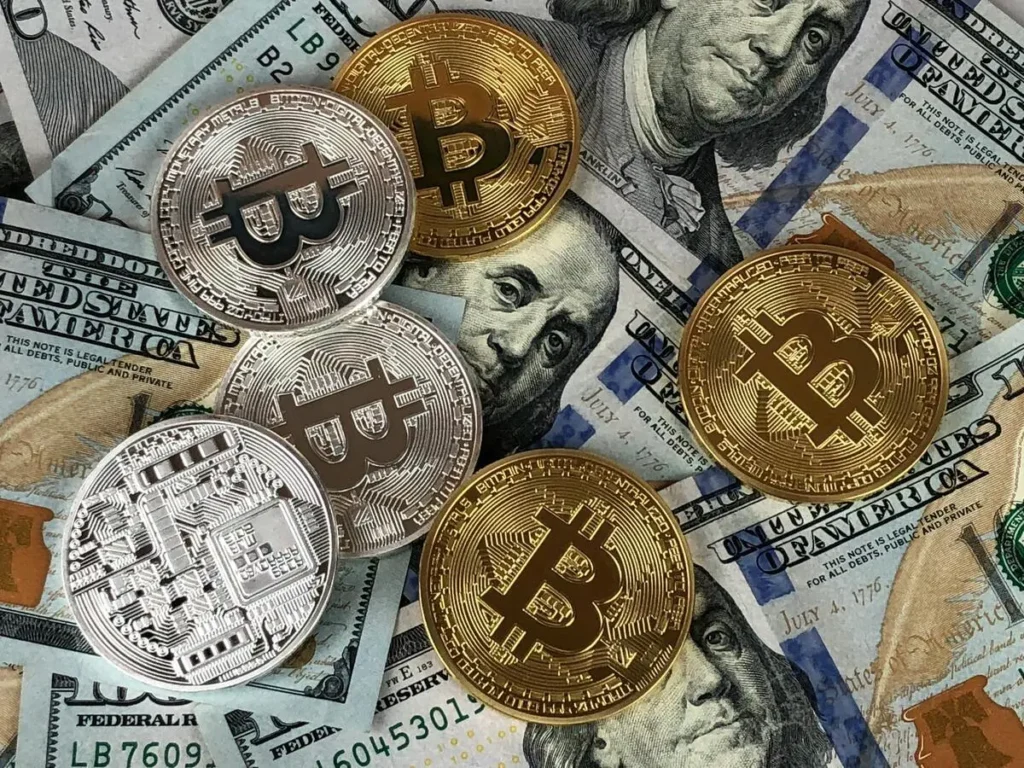
Why did MicroStrategy pause its Bitcoin purchases?
The company did not give one single reason, but after weeks of very heavy buying a slowdown was widely expected. MicroStrategy was the most prominent "Bitcoin treasury" company, and on Monday, February 3, 2025, it reported no new purchases for the prior week. It also had not sold any Class A common stock, which it often used to fund purchases.
Possible factors discussed at the time:
- A natural pause after about $20 billion of purchases in 12 weeks.
- Waiting for clarity on a possible US Strategic Bitcoin Reserve.
- Rising costs and lower rewards for producing new Bitcoin, which make it harder to acquire.
| Measure | Figure (early February 2025) |
|---|---|
| Bitcoin held | About 471,000 BTC |
| Share of total supply | About 2.25% |
| Total cost | About $30.4 billion |
| Spent in previous 12 weeks | About $20 billion |
How were tariffs and inflation affecting Bitcoin?
Bitcoin's price was swinging on news about US tariffs and their likely effect on inflation and interest rates. Michael Saylor has long described Bitcoin as a store of value and a hedge against inflation, and inflation was one of the main worries affecting the Bitcoin price today at the time. Bitcoin has always been volatile, and that week it became even more so.
The US had announced tariffs on Mexico, Canada and China, and there was speculation that the European Union could be next. When Canada and Mexico agreed to talks and the tariffs on them were paused, Bitcoin rose. Other disputes continued, with goods from clothing to truck parts potentially affected. Many worried that tariffs would push inflation up. The Federal Reserve targets 2% inflation, and Fed officials acknowledged tariffs could make that goal harder to reach. MicroStrategy, like many investors, may have viewed Bitcoin as a hedge against that kind of inflation.
Long-term yields tend to follow expectations of what the Federal Reserve will do, and at the time they pointed to possibly lower spending and slower growth, a concern that was starting to rival inflation. Bitcoin's moves reflected these worries: on Monday, February 3, 2025, it swung from about $92,900 to about $102,000, fell back on Tuesday and then rose 0.7% over the following day.
| Event (early February 2025) | Effect on Bitcoin |
|---|---|
| US tariffs announced on Mexico, Canada and China | Inflation fears and volatility |
| Canada and Mexico agree to talks; tariffs paused | Price rose, from about $92,900 to about $102,000 on February 3 |
| Fed signals tariffs could complicate its 2% target | Uncertainty about rates and growth |
Will Bitcoin remain bullish?
At the time, inflation and uncertainty over a US Strategic Bitcoin Reserve were seen as the main factors that could hold Bitcoin back. MicroStrategy may have been waiting for a decision on the reserve before buying more. The new administration had signed many executive orders quickly, but had not yet acted on its proposal for a Strategic Bitcoin Reserve.
Hopes for such a reserve were a key reason for Bitcoin's surge at the end of 2024. By early 2025, that very pro-crypto sentiment had cooled: an order in January 2025 set up a working group to evaluate a national digital asset stockpile without committing to Bitcoin. In March 2025, a later executive order did establish a US Strategic Bitcoin Reserve, funded with Bitcoin the government already held from forfeitures.
What is a strategic reserve or sovereign wealth fund?
A national fund of this kind is set up to invest in a country's future, often using surplus revenue from natural resource sales. That is why such funds are popular with resource-rich countries. Money can also come from other sources, such as privatisation. The fund is kept as a nest egg or invested in organisations linked to the country's future, such as research bodies. A Strategic Bitcoin Reserve is narrower: a government holding of Bitcoin.
Why are Bitcoin miners switching to AI?
Mining is getting harder and less profitable, so miners are using AI to cut costs and some are looking at AI work to diversify. Bitcoin mining uses huge amounts of electricity, and increased energy costs have squeezed margins. A small dip in energy prices in the month before this article was only a short-term relief, and the network hash rate had grown only marginally.
The Bitcoin halving in April 2024 cut the reward miners receive for each block in half. Historically, halvings have been followed by price rises within months, and that pattern appeared again after a slight delay, though the long-term impact was still unclear. With lower rewards and higher energy prices, profitability is uncertain for companies that rely only on mining.
| Pressure on miners | Effect |
|---|---|
| Higher energy costs | Lower margins on every Bitcoin mined |
| April 2024 halving | Block rewards cut in half |
| Marginal hash rate growth | Sign of slower expansion across the network |
| Response | AI tools to improve efficiency and reduce operating costs |
Riot Platforms, for example, has used AI at its Corsicana facility, and according to its website this has improved operational efficiency. It is possible MicroStrategy paused partly because Bitcoin was becoming harder and more expensive to acquire.
Is Bitcoin really a hedge against inflation?
That remains debated: in the year before this article, Bitcoin's price trends did not consistently behave like an inflation hedge. Still, MicroStrategy's huge holding and its leadership's public statements showed that, even while pausing purchases, the company's commitment to Bitcoin had not changed.
Key takeaways
- MicroStrategy paused Bitcoin buying in early February 2025 after spending about $20 billion in 12 weeks.
- It held about 471,000 BTC, around 2.25% of the total supply, at a cost of about $30.4 billion.
- Tariffs, inflation and Fed expectations were driving Bitcoin's volatility at the time.
- A US Strategic Bitcoin Reserve was later created in March 2025.
- Higher energy costs and the 2024 halving are pushing miners toward AI and efficiency gains.
Frequently asked questions
How much Bitcoin did MicroStrategy hold when it paused buying?
About 471,000 BTC in early February 2025, around 2.25% of Bitcoin's maximum supply, bought for about $30.4 billion in total.
Did MicroStrategy sell its Bitcoin?
No. It paused new purchases for a week and did not sell any of its Bitcoin; it later resumed buying.
What is the Bitcoin halving?
The halving cuts the reward miners receive for each new block in half. The most recent one at the time of writing took place in April 2024.